Food Storage & Freezer Guides

Keep shelf-stable food in a cool, dry pantry, perishables in a refrigerator at 40°F or below, and food you want to keep longer in a freezer at 0°F. This hub shows how to choose the place, pack and label food, and where to check official storage times, then points you to our guides for specific foods. Our texture and flavor notes are not safety limits.

Pantry, refrigerator or freezer: where food belongs

Home food storage comes down to three places, and each one has a job. The pantry holds shelf-stable food, the refrigerator slows spoilage of perishables for a short time, and the freezer keeps food for longer while its quality slowly declines. Choose the place first; the container and the label come after.

Pantry: cool, dry and away from heat

Below 85°F is best for canned and shelf-stable food

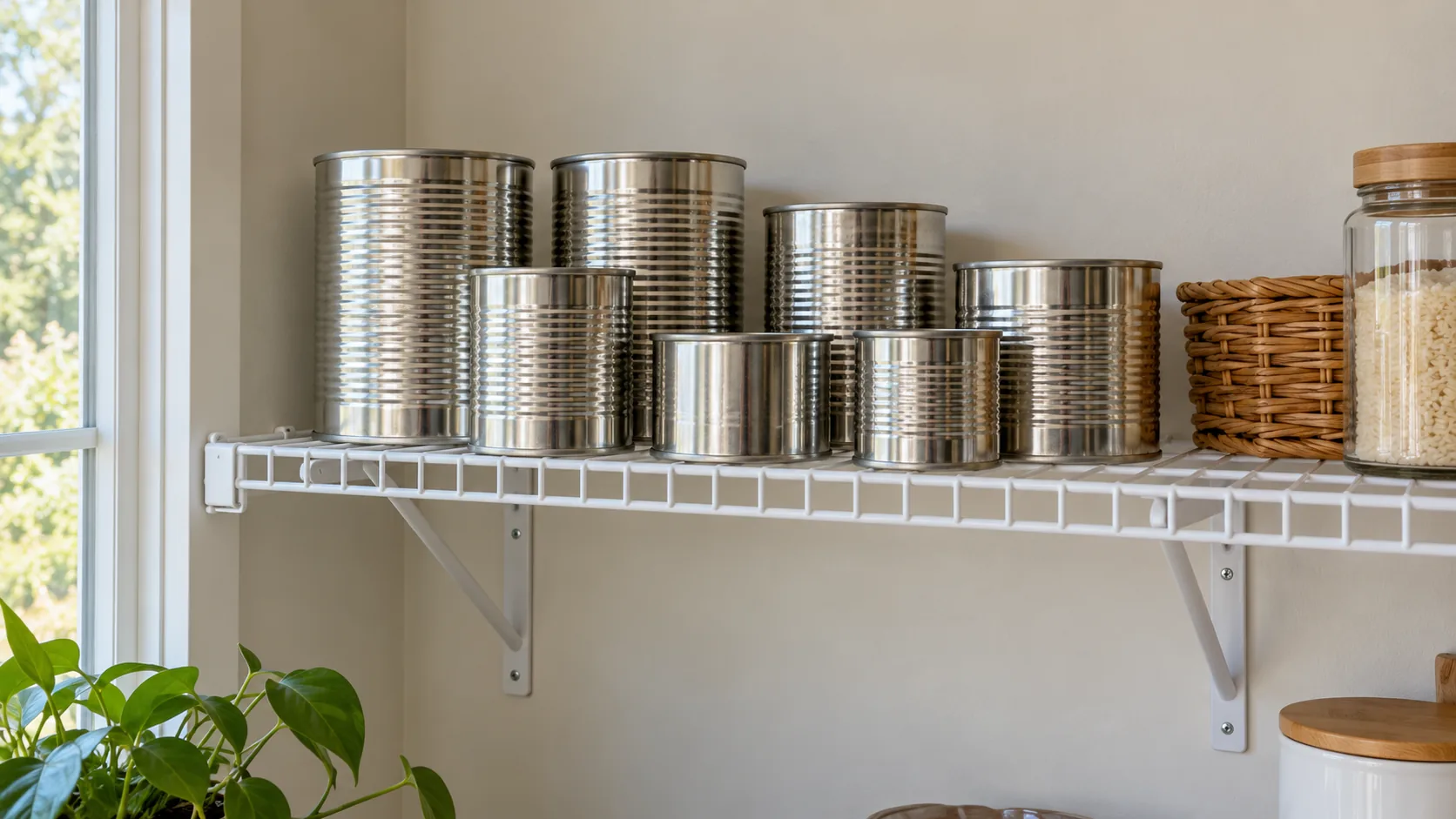
  • Keep cans and other shelf-stable food in a cool, dry place. Not above or beside the stove, under the sink, or in a damp garage or basement.
  • Check cans before you store them. Swelling, leaking, deep rust or denting bad enough to stop normal stacking or opening are signs of damage.
  • Store food away from household cleaning products and chemicals.

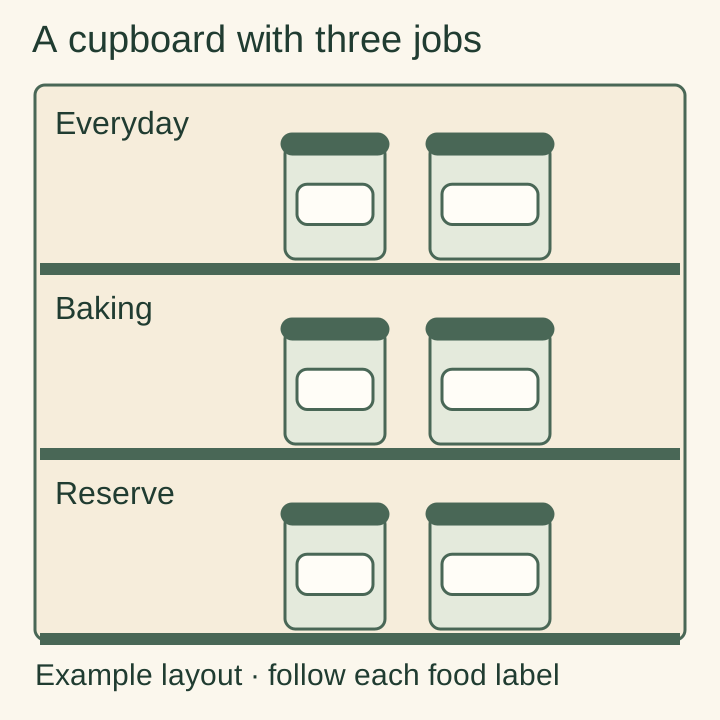
For shelf groups, opened-date labels and checking reserves before shopping, use our pantry organization guide.

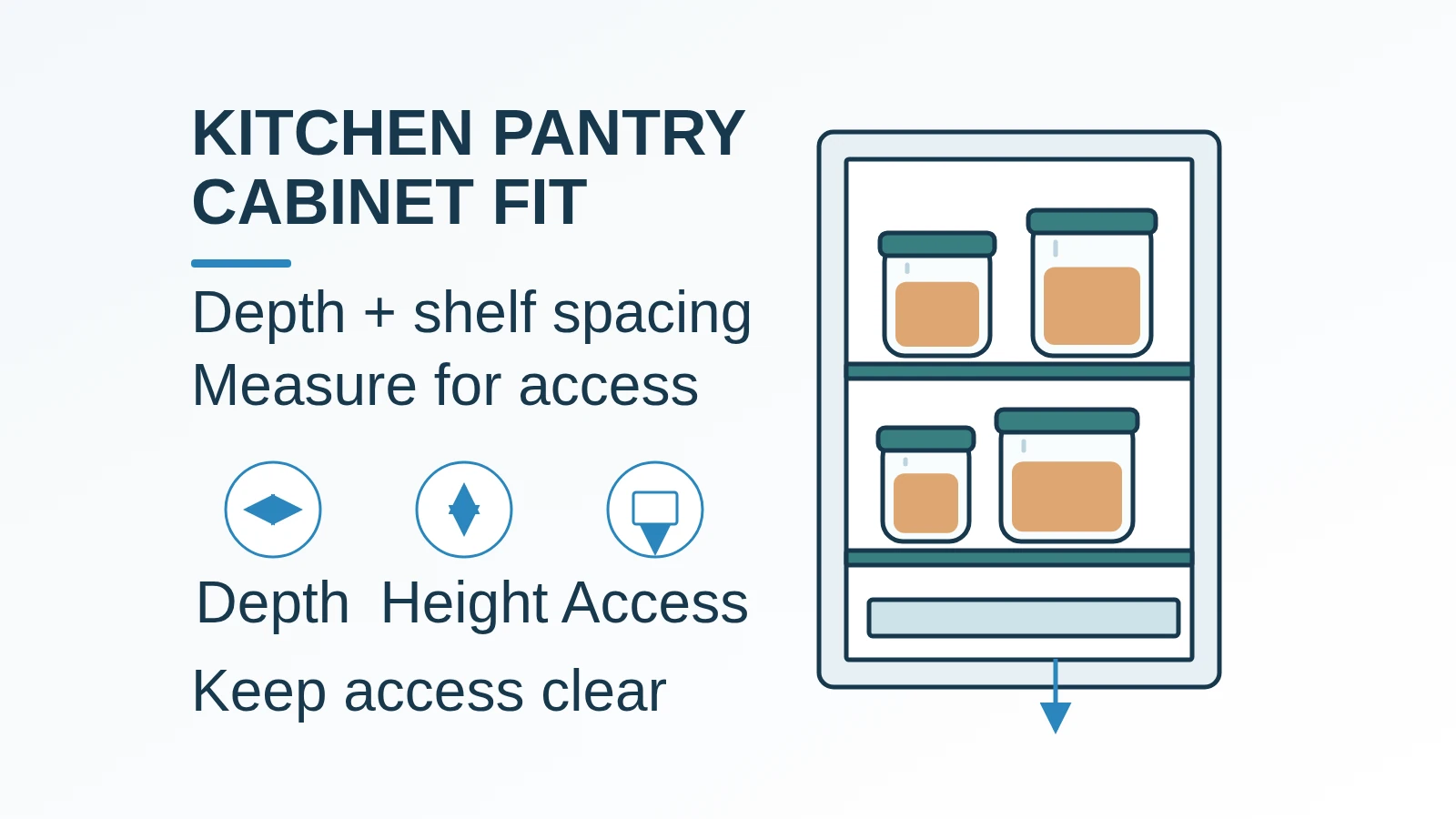
Before choosing containers for a cupboard, use the kitchen pantry cabinet depth and shelf-spacing guide to check usable openings and retrieval clearance.

Our pantry and counter guides
Refrigerator: 40°F or below

At or below 40°F (4°C)

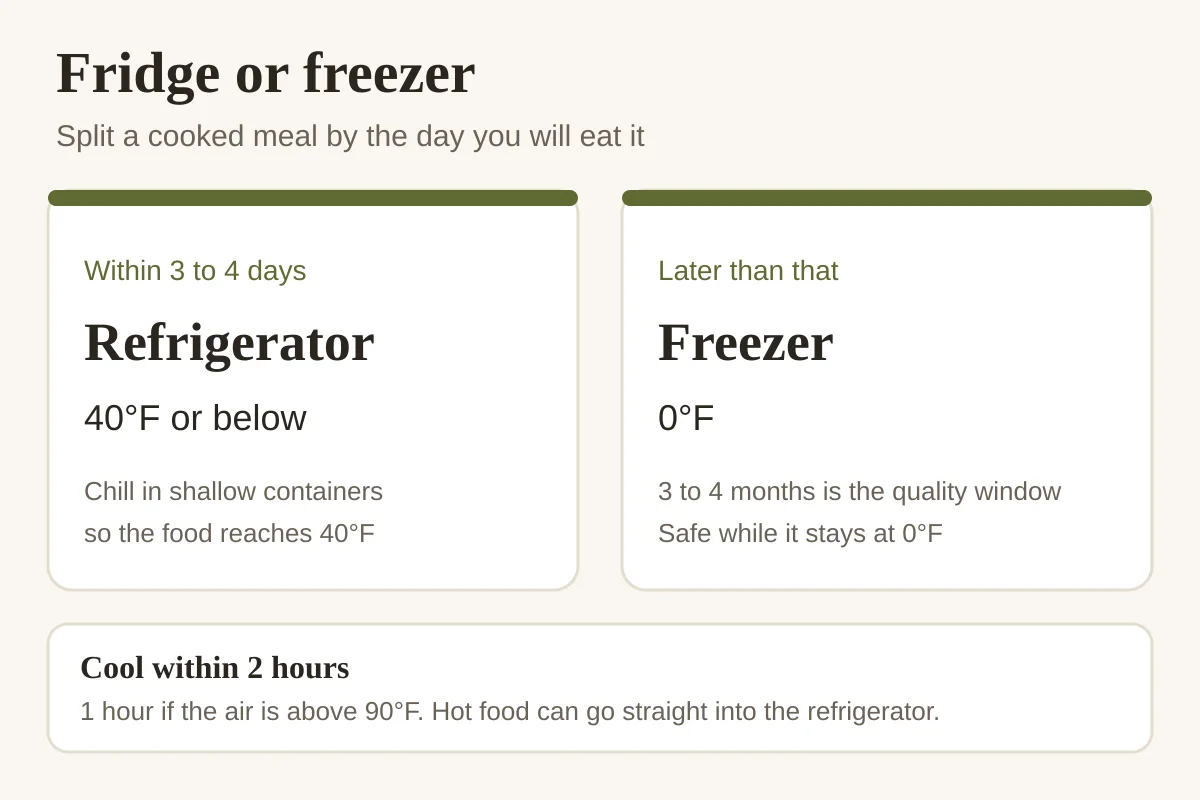
  • Refrigerate perishables and leftovers within two hours, or within one hour if the air is above 90°F.
  • Divide large batches, such as a pot of soup, into shallow containers so they cool quickly.
  • Do not pack the shelves so tightly that air cannot circulate.
  • Many packaged foods besides meat, vegetables and dairy need cold storage. Check the label.

Guides that cover the fridge step

Freezer: 0°F for longer storage

0°F (-18°C)

  • Official freezer times are for quality only. Food that was safe when frozen and is kept continuously at 0°F or below can be kept indefinitely, but its texture and flavor decline over time.
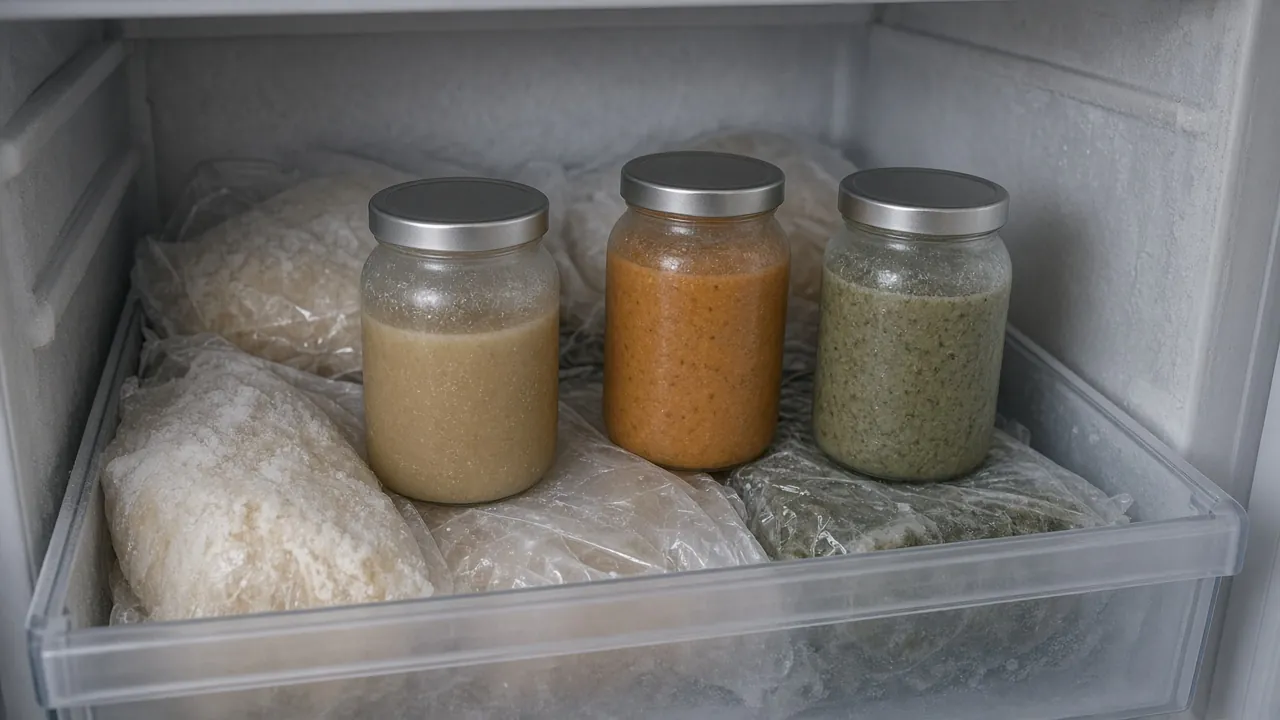
  • Good packaging protects quality and prevents freezer burn. Freezer burn leaves dry spots. It does not make food unsafe.
  • If the freezer section of your refrigerator cannot hold 0°F or is opened often, use it for short-term storage only.

Our freezer guides

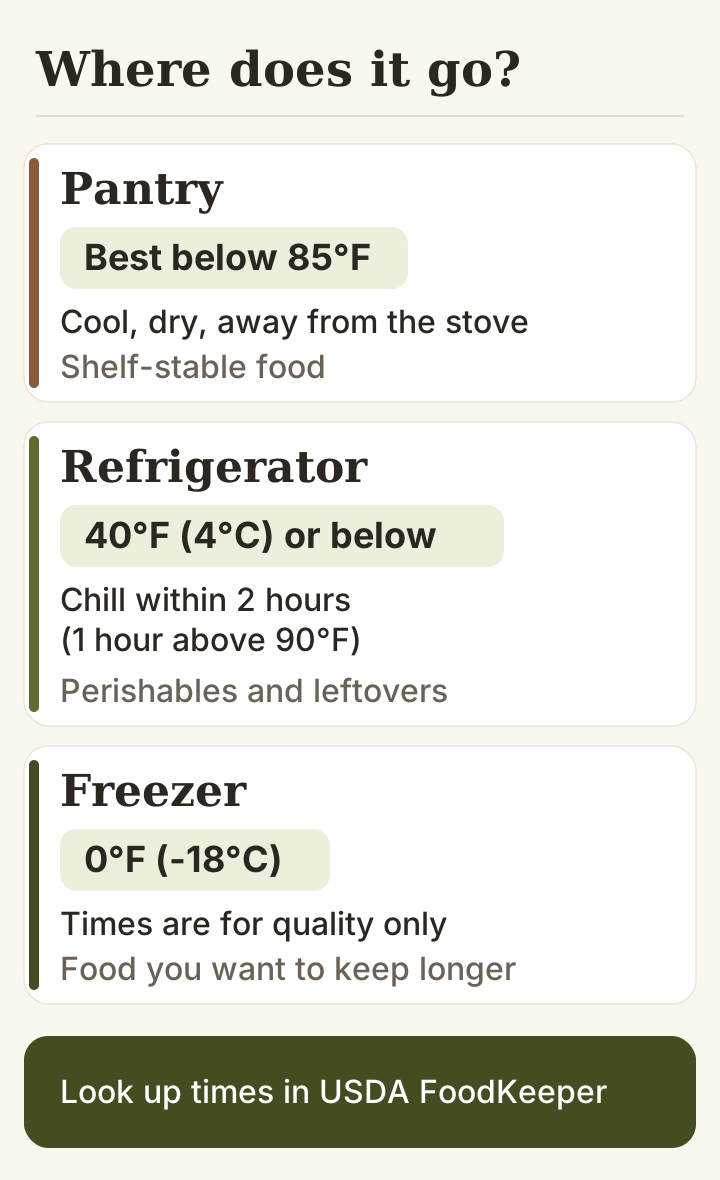
Diagram of the three home food storage places: a pantry best below 85°F for shelf-stable food, a refrigerator at 40°F (4°C) or below for perishables and leftovers chilled within 2 hours (1 hour above 90°F), and a freezer at 0°F (-18°C) for food you want to keep longer.
Illustration: the three storage places and their target temperatures, from FDA and USDA guidance. Look up storage times for a specific food in USDA FoodKeeper.

Put an appliance thermometer in the front of the refrigerator and the freezer, and check both at least once a week. A thermometer is the most reliable way to know the actual temperature.

Before you put it away: four checks

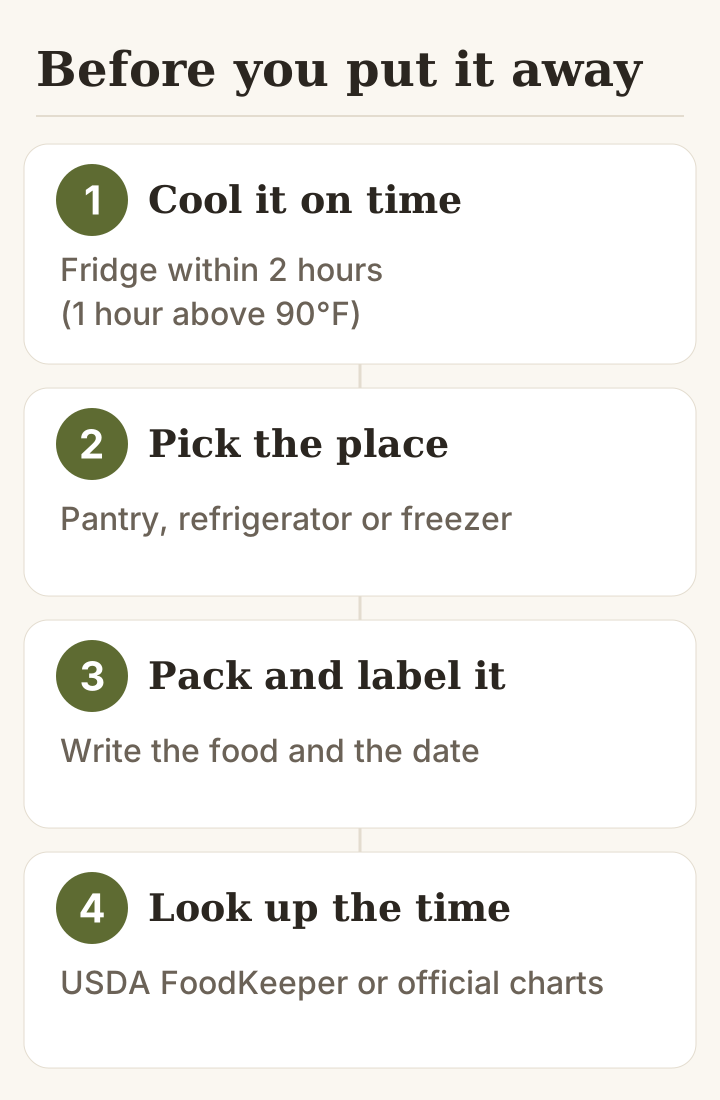
  1. Cool it on time. Get cooked food and perishables into the refrigerator within two hours (one hour above 90°F). Split big batches into shallow containers first.
  2. Pick the place. Pantry for shelf-stable food, refrigerator for what you will use soon, freezer for what you want to keep longer.
  3. Pack and label it. Close the container, press out extra air where the food allows, and write what it is and the date.
  4. Look up the time. Check USDA FoodKeeper or the official charts for how long that food keeps in that place.
Four-step flow for putting food away: cool it on time by getting it into the fridge within 2 hours or 1 hour above 90°F, pick the pantry, refrigerator or freezer, pack and label it with the food and the date, and look up the storage time in USDA FoodKeeper or the official charts.
Illustration: the four checks from this page in order. The two-hour rule comes from FDA and USDA guidance.

Containers, wrapping and date labels

The container's job is to keep air, moisture and odors away from the food. That protects texture and flavor; it does not make food safe for longer than official guidance allows. Our airtight vs vacuum-sealed explainer covers what each closure does and why vacuum sealing carries an extra caution for some foods.

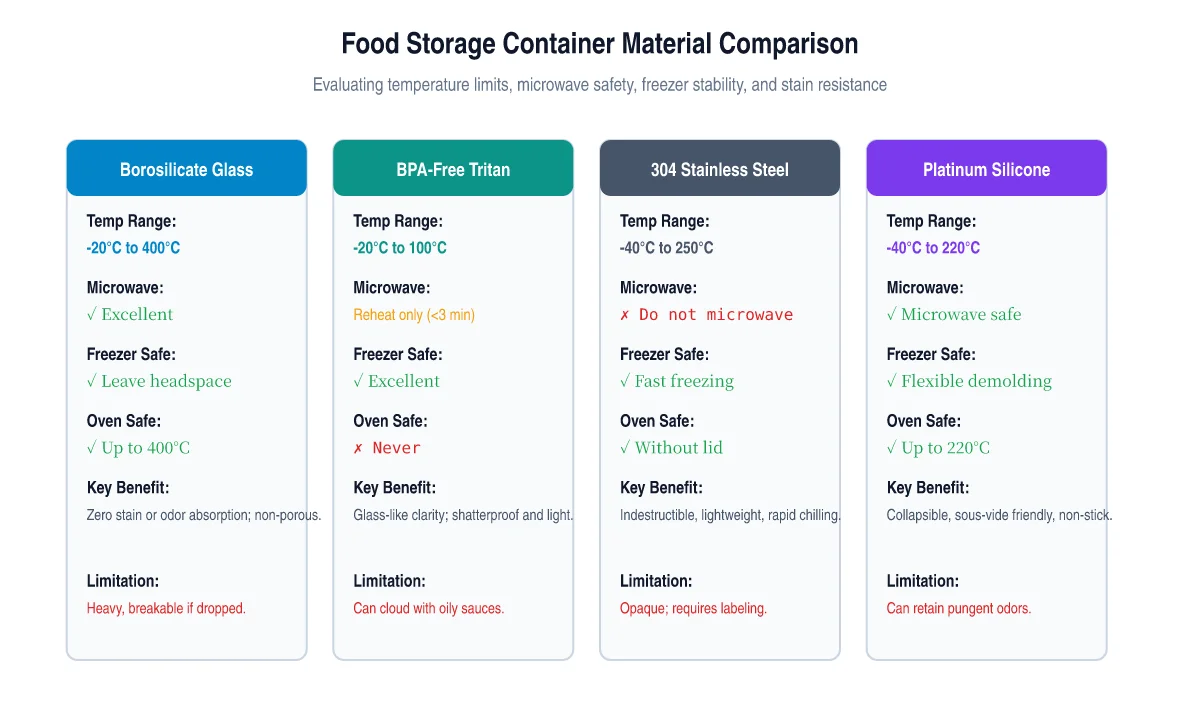
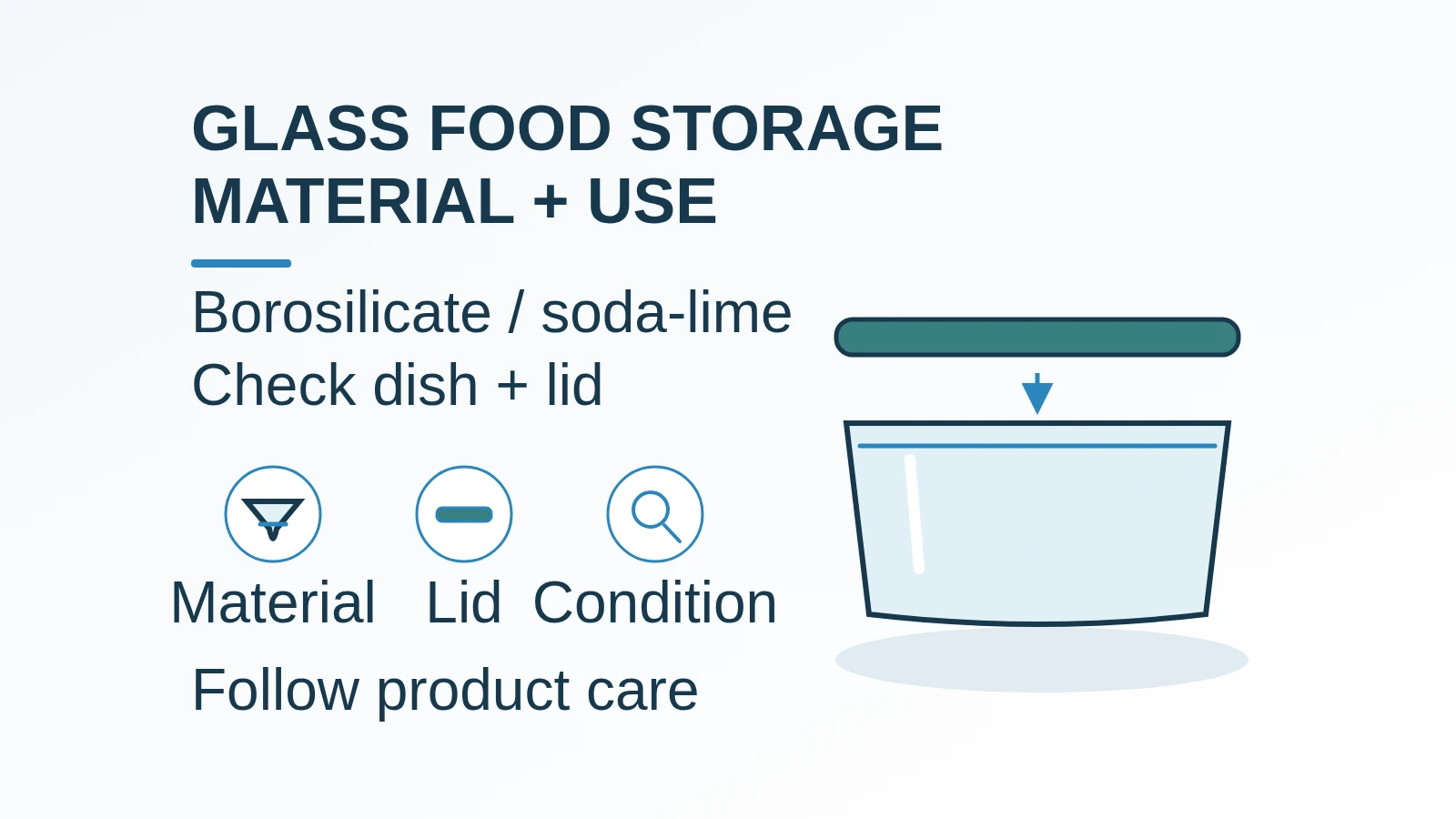
For glass containers, the Pyrex borosilicate versus soda-lime guide separates documented glass composition from the instructions for the actual dish and lid.

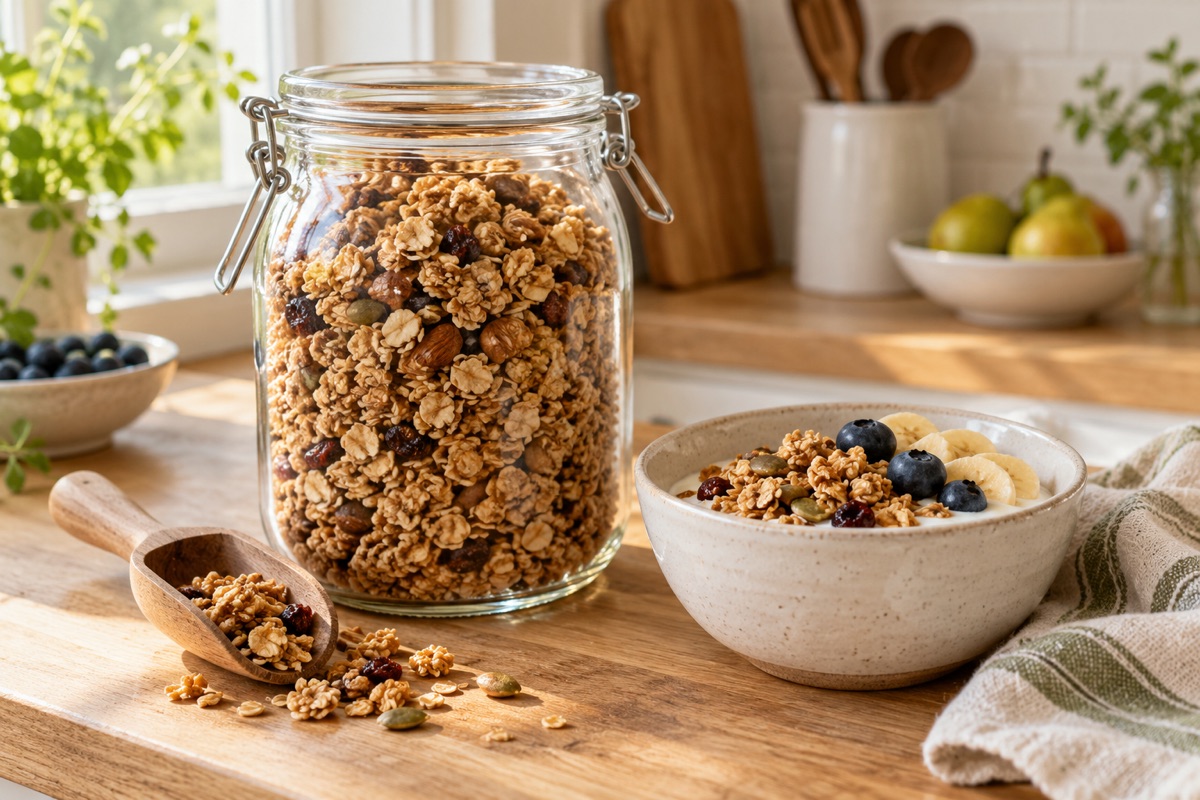
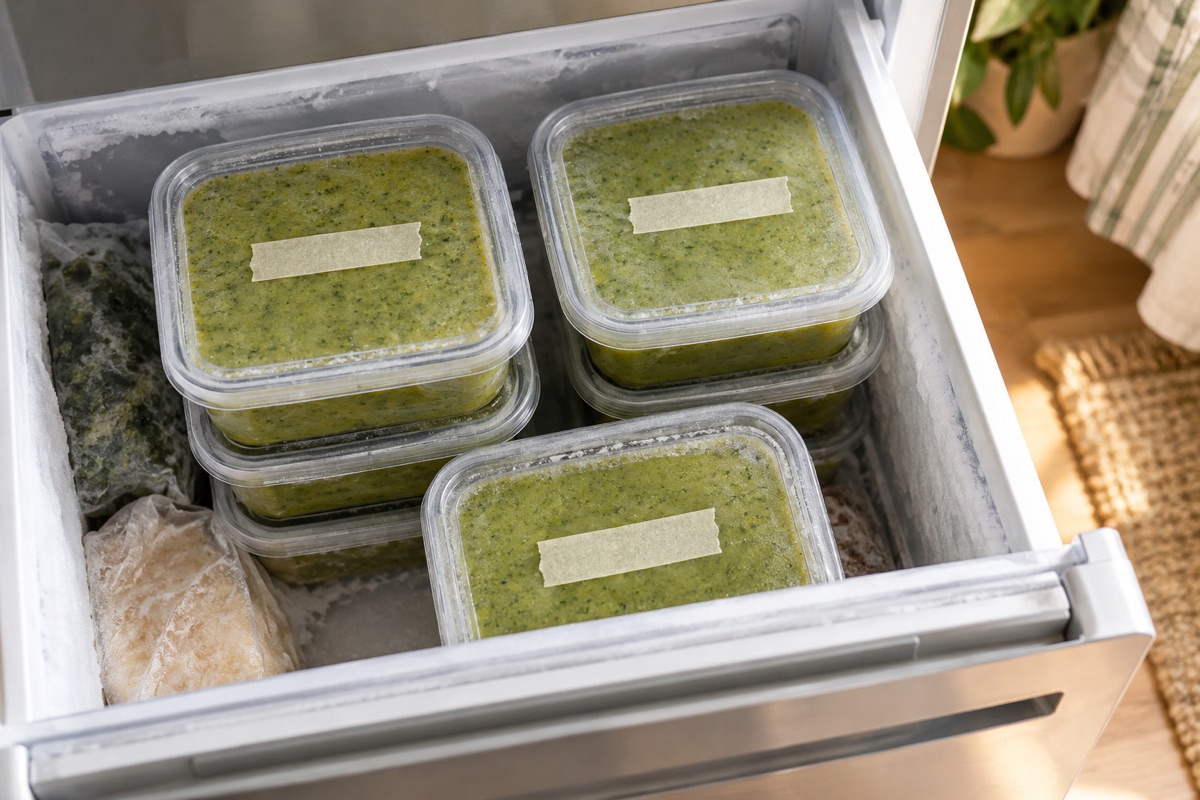
  • Match the container to the food. Crisp foods need a tight, dry container. Liquids that will be frozen need room to expand. The granola guide compares glass jars, plastic containers and pouches, and the soup guide covers headspace.
  • Overwrap for the freezer. USDA notes that store wrap on meat and poultry lets air through, so quality can decline over time; for longer storage, overwrap it. Home-baked food benefits from layers too: the cake guide shows how to wrap in layers.
  • Label what you make. Write the food and the date you stored it, so you can look up the time and use the oldest first.
  • Read package dates as quality dates. Under USDA guidance, dates such as "Best if Used By" tell you when a product is at its best quality. Except for infant formula, they are not safety dates and are not required by federal law.

How long food keeps: use the official charts

We do not print a storage-time table on this page. Times depend on the food, whether the package is open and where you keep it, and official charts are updated over time. Check these sources instead:

  • USDA FoodKeeper: storage tips for more than 650 foods and beverages. It was developed by the USDA's Food Safety and Inspection Service with Cornell University and the Food Marketing Institute. It also comes as an app for Android and Apple devices.
  • FoodSafety.gov Cold Food Storage Chart: refrigerator and freezer times for common perishable foods and leftovers.
  • USDA Shelf-Stable Food: pantry storage and a chart for canned and dry goods.

When a package gives its own storage directions, follow the label. In our guides, notes about texture and flavor concern quality, not safety limits.

Storage guides by food and method

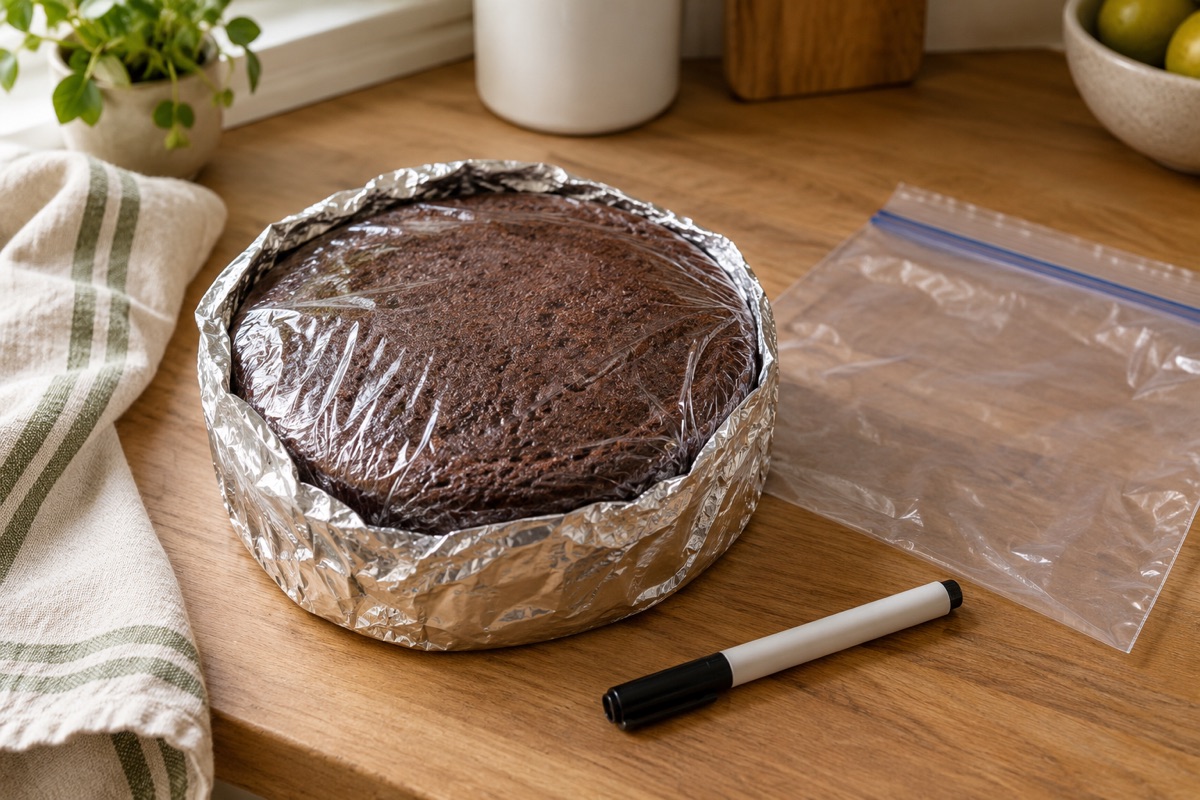
Unfrosted chocolate cake layer wrapped in plastic and foil on a counter beside a freezer bag

Baked Goods 6 min read

How to Freeze Chocolate Cake and Wrap It Well

Cool the cake completely, wrap it snugly in layers, label it with the date, and thaw it covered. Here is how to freeze chocolate cake whole, in layers or by the slice.

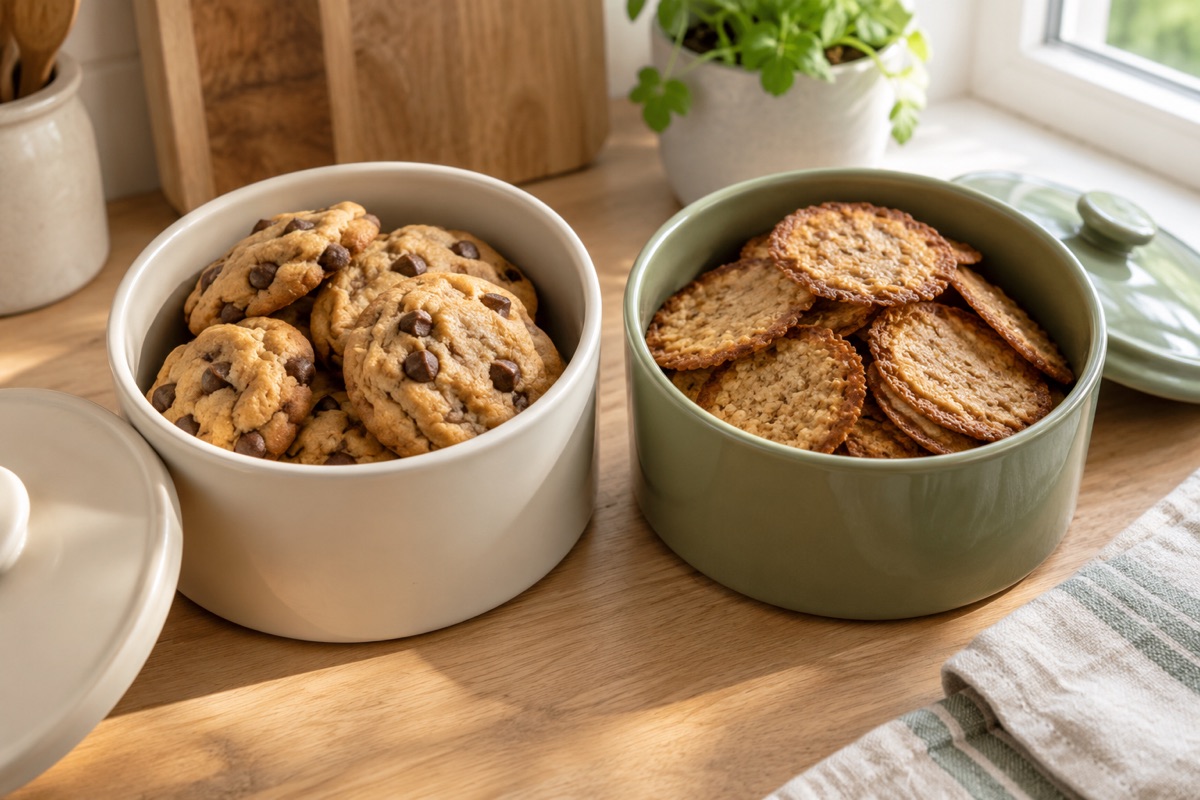
Two containers on a counter, one with soft cookies and one with thin crisp cookies

Baked Goods 6 min read

How to Store Cookies: Soft and Crisp Batches

Soft cookies and crisp cookies need opposite storage. Here is how to cool, contain, layer and freeze each kind, and when to rely on official guidance instead.

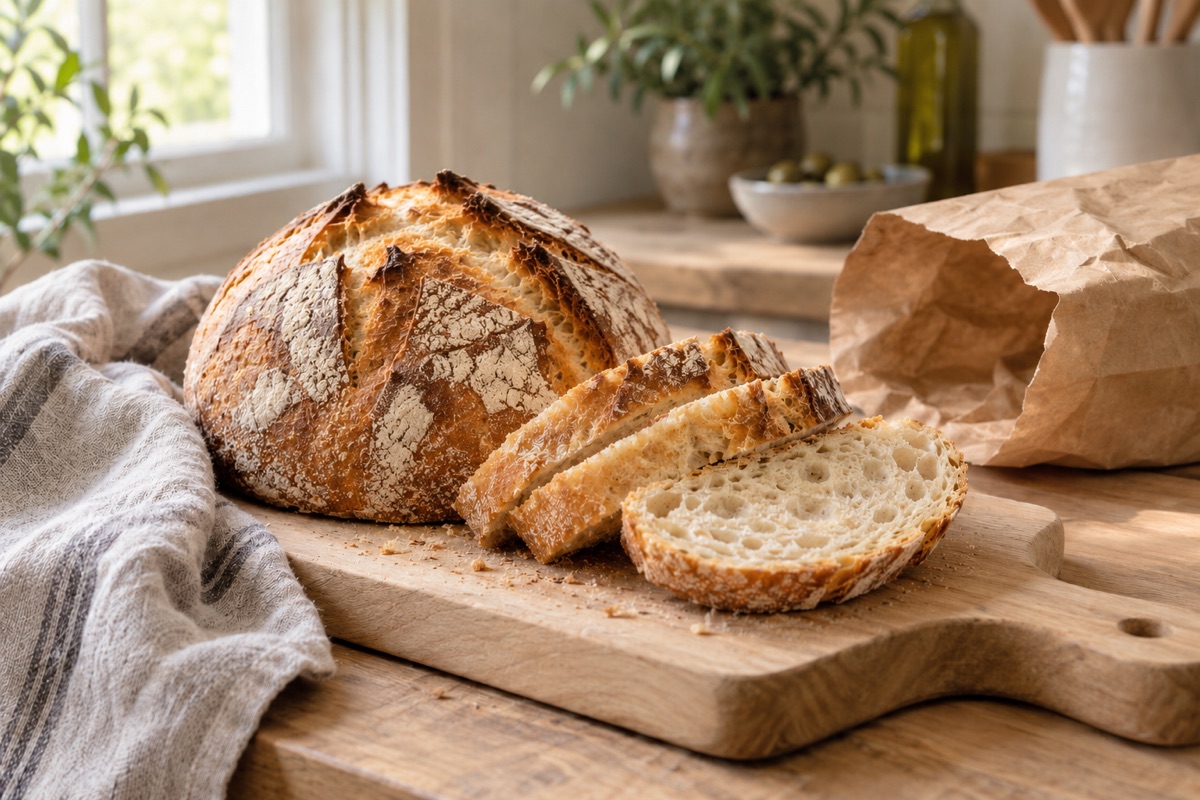
Crusty homemade loaf cut side down on a board beside a linen cloth and a paper bag

Baked Goods 7 min read

How to Store Homemade Bread Without Guesswork

Match the storage to the loaf. Crusty bread, sandwich bread and quick breads each keep best in different wrapping, and the freezer is the answer for what you will not finish.

Lidded containers of green soup stacked in a freezer drawer with blank tape on the lids

Freezing 8 min read

How to Freeze Soup in Useful Portions

Cool the soup, divide it into single-meal portions, leave room to expand, label the date and thaw it safely. A practical guide to freezing homemade soup.

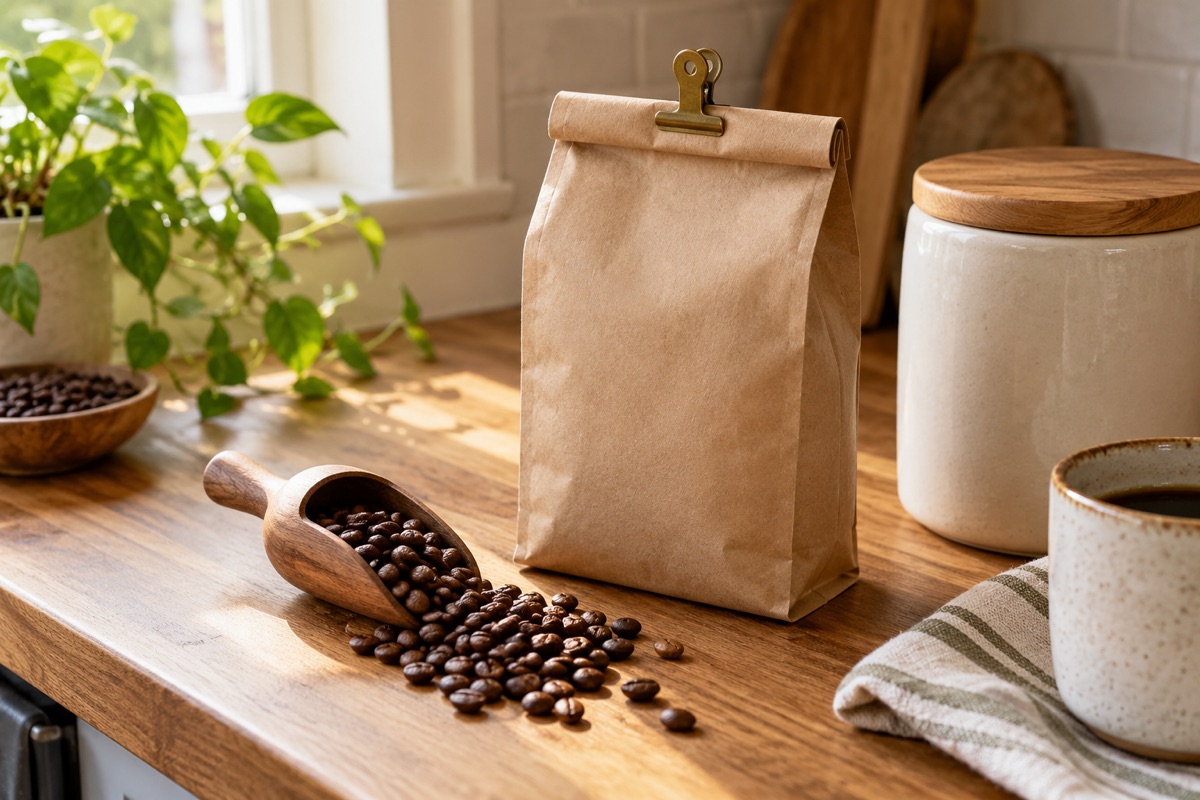
Coffee beans in a scoop beside a clipped plain coffee bag and a ceramic canister on a kitchen counter

Pantry & Condiments 6 min read

How to Store Coffee Beans After Opening the Bag

After you open a bag of coffee beans, air, light, heat and moisture start working on them. Here is how to close the bag, choose a container and decide about the freezer.

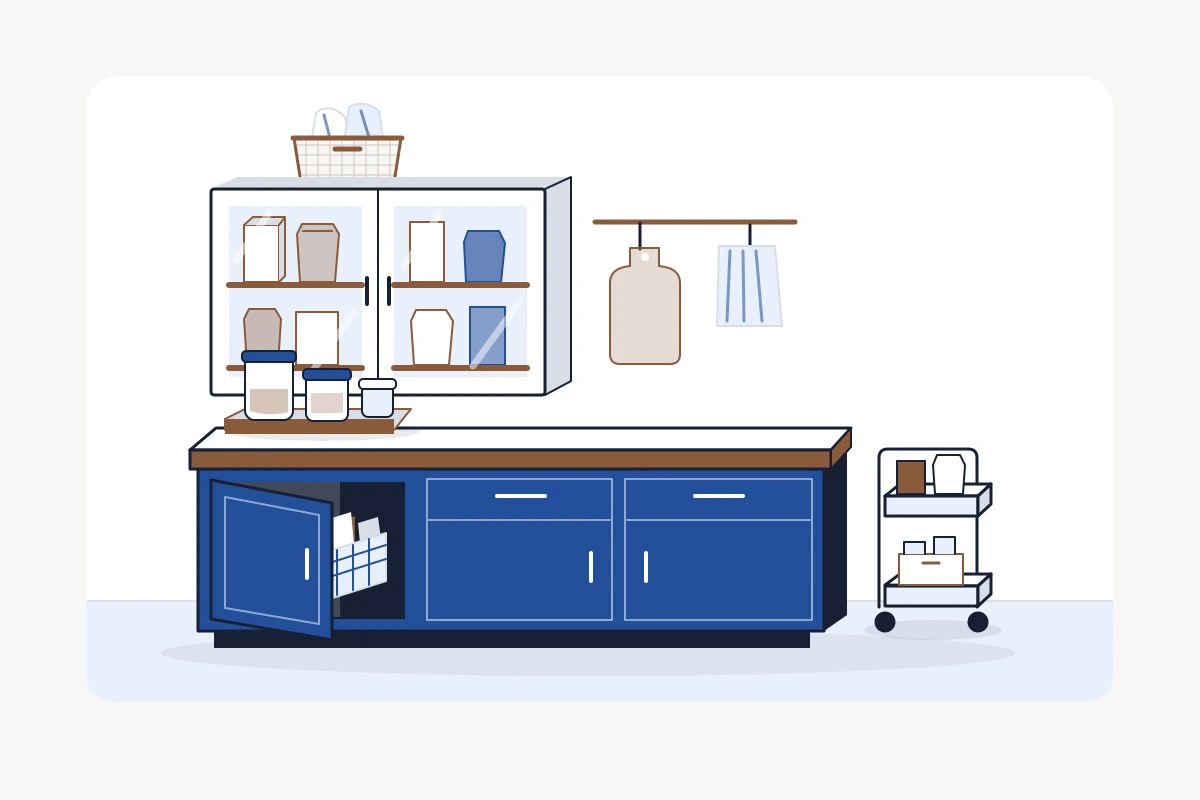
Illustrated small kitchen with a food cupboard, door-back basket, counter tray and cart parked clear of the work area

Pantry & Condiments 11 min read

No Pantry? Storage Ideas

Use cupboards, door backs and carts in a small kitchen while keeping room to cook.

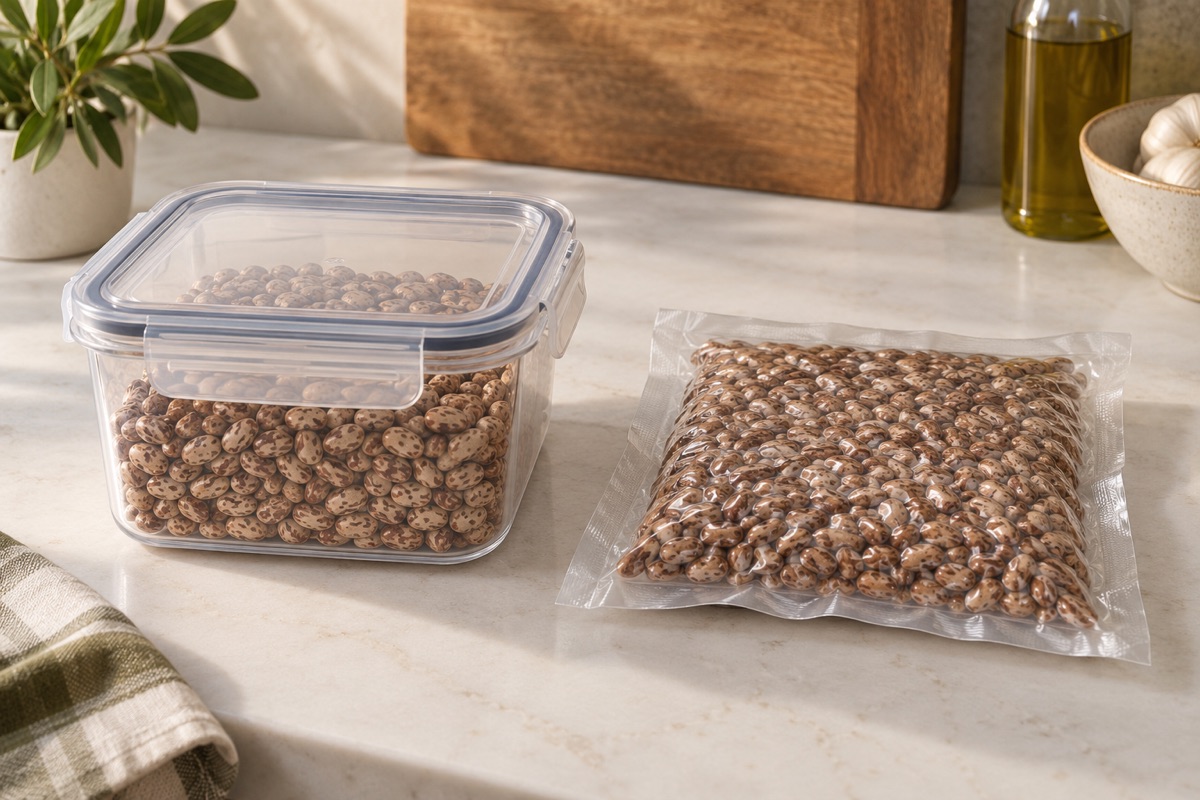
An airtight lidded container next to a flat vacuum-sealed pouch of dry beans on a kitchen counter

Containers & Methods 6 min read

Airtight vs Vacuum-Sealed: What the Terms Mean

An airtight container closes out most air; a vacuum bag removes it. Neither one makes food safe, and vacuum sealing adds a botulism concern for some foods.

What this hub does not answer

  • Does freezing kill bacteria? Read USDA's Freezing and Food Safety page, which also covers thawing, refreezing and what to do when the freezer stops working.
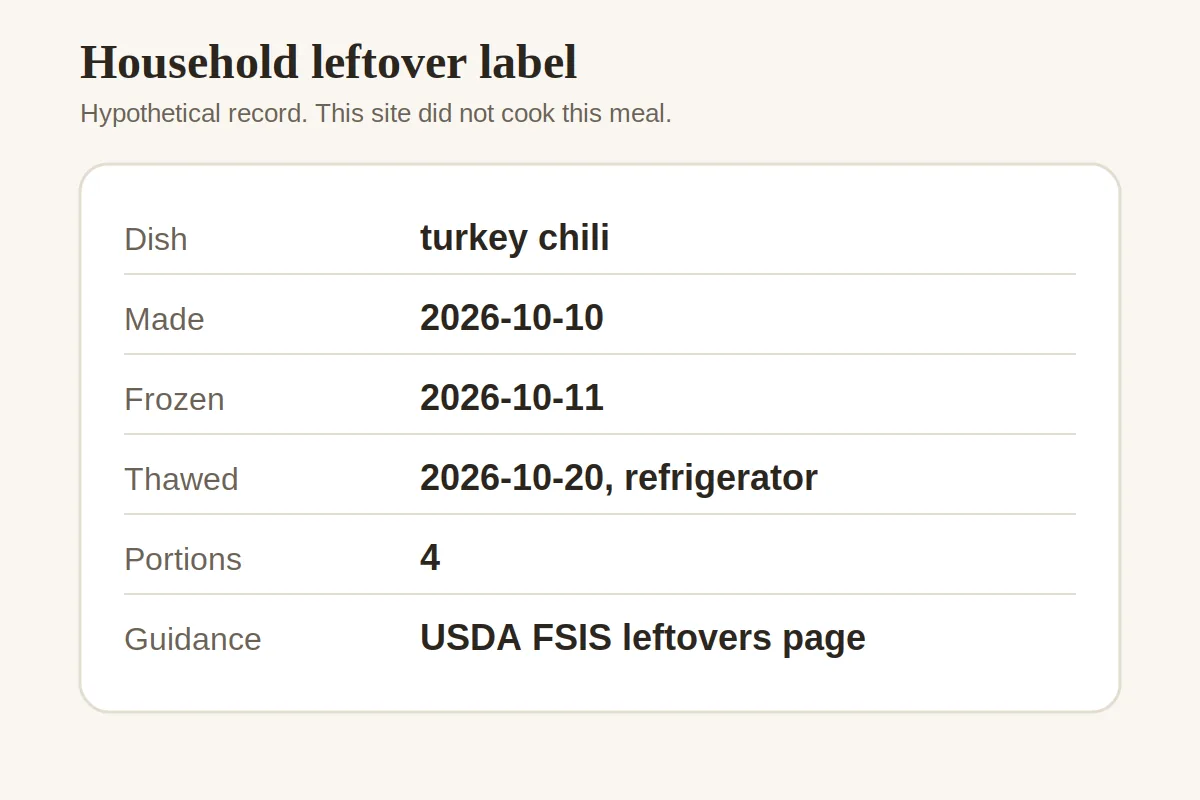
  • Leftovers and reheating. USDA's Leftovers and Food Safety page covers cooling, safe thawing methods and reheating.
  • Canning, pickling, drying and other preservation methods. We do not publish home canning instructions. The National Center for Home Food Preservation publishes research-based recommendations for most home preservation methods.
  • Outside the United States. The guidance on this page and in our storage guides follows US agencies. Check your national food safety agency if you live elsewhere.

Official sources for this page

Sources checked October 6, 2026; archived USDA pages were used where current pages could not be accessed.